At six in the morning the call is not a client. It is a caregiver calling out
Home care has a phone problem that no general purpose AI receptionist has ever been designed for: the most urgent call of the day comes from your own staff, and it means somebody vulnerable is about to be left without a visit. Booking software has nowhere to put that call.
From $99 a month · Robocalls are never billed
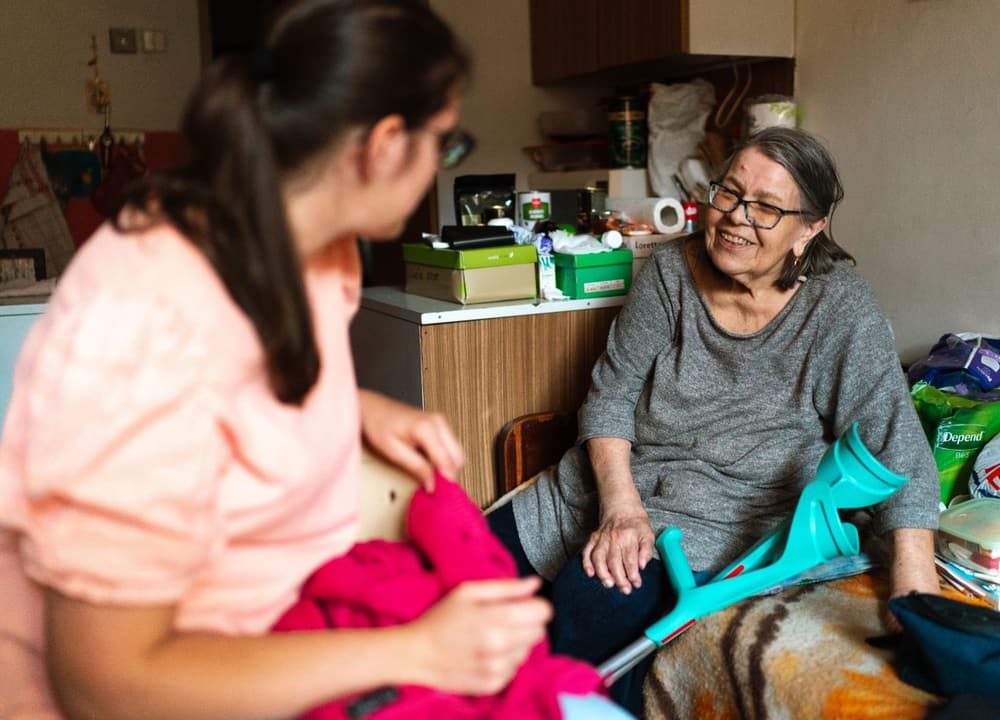
 Incoming callJanelle Ford
“I'm sick, I can't make the 8am with Mrs Doyle.”
Call-out logged · Scheduler alerted · Client visit flagged uncovered
- Staff call-outs
- Recognised as their own call type and escalated, not booked
- Never clinical
- It does not advise on medication, symptoms or care. It routes and it records
- $0
- billed for robocalls and sales calls, on every plan
The call that separates a home care agency's line from a booking bot
Every AI receptionist on this results page books appointments and speaks well. This is the home health care call where that stops being enough.
The caller says
“I've got a temperature, I can't do my visits today.”
What a generic AI receptionist does
A general purpose AI receptionist has one behaviour available: it treats the caller as a customer, expresses sympathy, and offers to book something. Meanwhile three clients on that caregiver's run do not know their visit is not coming, and your scheduler will not find out for another two hours. The most consequential call of the day has been handled as a wrong number.
What this one does
A caregiver call-out is its own classification. It captures who, which visits, and from when, alerts the scheduler on the escalation ladder immediately, and marks the affected visits as uncovered so nobody discovers it at eight o'clock. The agent does not attempt to solve the cover; it makes sure a human is already looking.
AI receptionist for home care agencies: what is actually configurable
Each of these is something the product does on a real call. Where it refuses to act, the refusal is the design rather than a limitation.
It separates families, clients, staff and referrals
Four caller types with four completely different urgencies. A family member ringing about their mother's care plan, a client changing a visit time, a caregiver calling out, and a discharge planner referring a new case. Only one of those is a booking, and a general purpose agent treats all four as one.
It refuses anything clinical, out loud
Medication questions, symptoms, whether a fall needs a hospital, whether a dose was missed. Those go to a nurse or to emergency services under your rules, with a stated sentence, and are never answered by software. A helpful sounding answer here is the most dangerous output on this entire site.
It takes referrals in a form the intake team can use
Referrals arrive from hospitals and case managers at inconvenient hours and go to whoever answers first. It captures the client, the level of care, the funding source, the start date and the discharge timing, and routes it, rather than leaving a voicemail that is returned after the family has chosen somebody else.
Everything is on the record
Transcript, recording and summary for every call, filed and searchable. In a business where the details of who said what about a vulnerable person's care actually matter, that record is worth more than the time saved.
What it asks on a home health care call
Not a name and a preferred time. Each of these has an operational reason behind it, and every one of them is yours to change.
“Which client, and which shift?”
The shift decides everything that follows: who is qualified to cover it, how far away they are, and how long there is to find somebody. A call-off without a shift is a message somebody has to chase.
“Is this a one-off, or are you out for longer?”
One missed shift is a cover problem. A caregiver out for the week is a rota problem, and knowing which on the first call is the difference between fixing it once and fixing it five times.
“For a new enquiry: hours a week, and what kind of help?”
Companionship, personal care and skilled nursing are three different services at three different rates with three different staffing constraints. It is the first thing the intake needs and the last thing a worried family thinks to say.
“Is anyone paying through insurance, Medicaid or privately?”
The commonest reason an intake never becomes a client. Establishing it on the call stops a family being taken through an assessment for something they were never going to be able to fund.
“Is the client at home now, or being discharged?”
A discharge has a date and a competitor, and it is the highest-urgency intake an agency takes. The referring hospital or planner is captured with it.
“Any pets, stairs, or access arrangements?”
Practical facts that decide which caregiver can be sent, and the ones that produce a wasted first visit when nobody asked.
What it will never do on a home health care call
You are handing your phone to software that talks to your customers when you cannot. These are the lines it does not cross, and the exact words it uses instead.
It gives no clinical or medical advice
Not about medication, not about a symptom, not about whether something needs a doctor, not about whether a client should go to hospital. Where a caller describes a medical emergency the answer is 911 and nothing else.
What it actually says
“If something's wrong right now please call 911. I'll let the nurse on call know straight after, but don't wait on me.”
It won't discuss a client with anyone unverified
Not with a neighbour, not with an adult child who is not on the file, not with somebody who says they are a doctor's office. Whether a person is a client at all is a disclosure, and the agent makes none. Vandial holds no HIPAA certification and offers no BAA; what it does is refuse.
What it actually says
“I'm not able to share anything about who we care for. If you're on the file I can have the office call you back on the number we hold.”
It won't promise cover it has not confirmed
A family told a caregiver is coming when nobody has accepted the shift is a family that finds an empty doorway at seven. The agent tells them cover is being found and confirms only once someone has actually accepted.
What it actually says
“I'm calling round for cover now. I'll ring you back the moment someone's confirmed rather than leaving you guessing.”
The four things it answers from
Configuration rather than something a model has been asked to remember. Change one at eight in the evening and the next call uses the new value.
Companion care
$32/hr
Minimum shift
4 hours
Cover list
Qualified + in area
Clinical advice
Never. 911 if urgent
What home care agencies say before they say yes
In the words they are usually put in. Where the objection is right, it says so.
“Our callers are vulnerable people and their families.”
They are, and the design point is what the agent refuses rather than what it handles. Nothing clinical, nothing about a specific person's care plan, nothing that should come from a nurse. What it does is make sure those calls reach one immediately instead of a voicemail box.
“Scheduling cover is a human judgement call.”
It is, and it stays one. The agent does not reassign anybody. It captures the call-out, marks the affected visits, and wakes the person whose judgement that is, which today happens whenever somebody happens to check their phone.
“We are covered by an answering service already.”
Most of those take a message and page. On a 6am call-out the message and the page are two extra legs on a clock that is already running. This classifies it, records which visits are affected, and escalates in one step.
It books into the calendar you already keep
Google, Outlook, Apple, Exchange, CalDAV. An AI receptionist that emails you a summary has built a nicer voicemail; this one creates the appointment and texts the caller.


































…and a lot more besides
- Warm transfersWarm transfersAnnounced — who is calling and why, before you take the line.
- Spam never billedSpam never billedRobocalls are spotted, zero-rated, and never become a customer.
- A number per sourceA number per sourceVan, yard sign, Google listing — see which line brings the work.
- Team & on-callTeam & on-callTries you, then a second number, then whoever is on call.
- Run it by textRun it by textReply to a text to move a job, block a morning, clear a day.
- Clear a day, everyone toldClear a day, everyone toldCall off a wet Tuesday; every customer is told and re-offered.
- Never invents an answerNever invents an answerNo price or slot it was not given. It takes a message instead.
- Any trade, no codeAny trade, no codeGoal, questions and guardrails are settings, not a rebuild.
Does it give any medical advice?
Never. Medication, symptoms, falls and care decisions are routed to a nurse or to emergency services with a stated sentence. That is a hard rule on the account.
What happens on a caregiver call-out?
It is classified as its own call type, the affected visits are identified and marked uncovered, and your scheduler is alerted on the escalation ladder immediately rather than by voicemail.
Can it take referrals out of hours?
Client, level of care, funding source, discharge timing and start date, captured and routed to intake, which is when most referrals actually arrive.
Is there a record of every call?
Transcript, recording and summary, searchable, for every call the agent takes.
What does it cost?
From $99 a month, flat, with unlimited call flows and a monthly talk time allowance. There is a free tier for building and testing the agent before it answers anything live.
Comparing against a human answering service instead?
That is a different question with a different answer, and it has its own page: the home health answering service, with a full home health care call played second by second.
Trades that answer the phone the same way
The same archetype, which is what the product actually branches on. Every trade has one of these pages.