The pest decides the visit, and nobody asks which pest
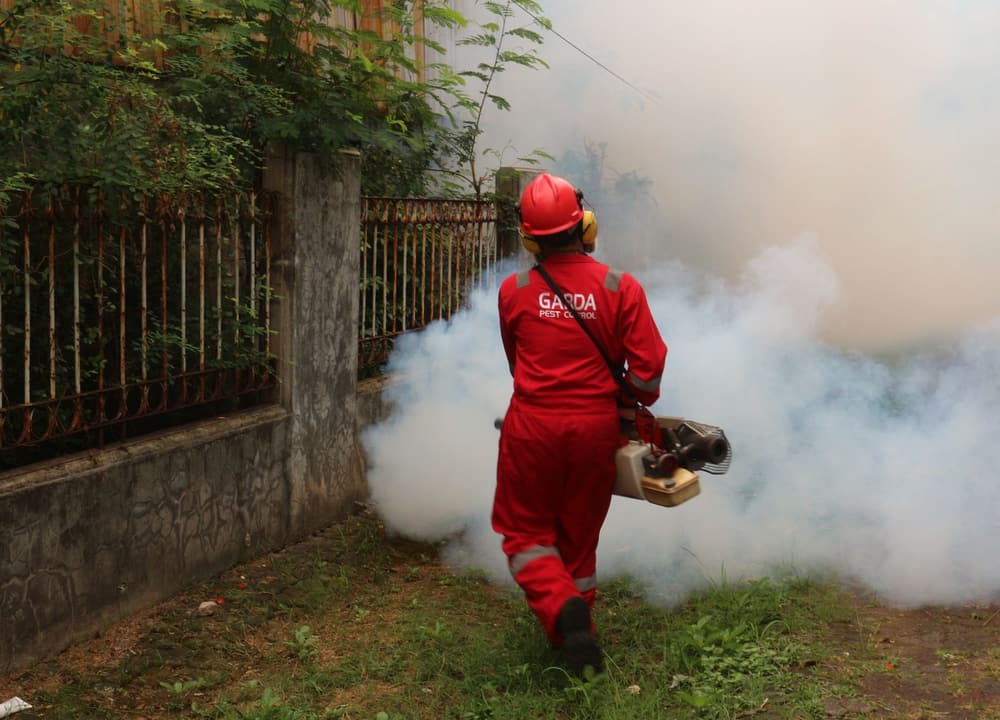
A wasp nest is today, a mouse is this week, bed bugs are a preparation conversation before anybody attends, and a quarterly customer ringing to move Thursday is not a new job at all. A general purpose AI receptionist has one flow for all four, which is why it produces a diary that has to be unpicked by hand every morning.
From $99 a month · Robocalls are never billed
 Incoming callHugh Bennett
“We've got wasps going into the soffit above the front door.”
Pest identified · Height and access captured · Same week booked
- Which pest
- Asked first, because it decides the chemical, the time and the preparation
- The standing round
- A recurring customer moving a visit is not a new booking, and it is not treated as one
- $0
- billed for robocalls and sales calls, on every plan
The call that separates a pest agent from a voice
Every AI receptionist on this results page books appointments and speaks well. This is the pest control call where that stops being enough.
The caller says
“I think we've got bed bugs in the back bedroom.”
What a generic AI receptionist does
A generic AI receptionist books the next available slot and sends a confirmation. Nobody told the customer to strip the beds, bag the bedding, hold off on spraying anything themselves, or that a treatment on an unprepared room is a wasted visit. Your technician arrives to a room that cannot be treated and the customer thinks the failure is yours.
What this one does
Bed bugs trigger the preparation instructions you wrote, delivered on the call before the date is agreed, and the booking is only offered against a date that allows the preparation to happen. That is a per pest flow, which is a thing you configure once and it applies at eleven at night.
AI receptionist for pest control companies: what is actually configurable
Each of these is something the product does on a real call. Where it refuses to act, the refusal is the design rather than a limitation.
It identifies the pest before it identifies the slot
What has been seen, where, how many, how long, and whether there are children, pets or anyone with a respiratory condition in the property. Those answers decide the treatment, the chemical, the duration and whether the property has to be vacated, and none of them are in a general purpose booking flow.
It knows the difference between a job and a round
Most of the calls to a pest control office come from customers who are already on a quarterly or monthly plan and want to move a visit. That is a reschedule against an existing appointment, not a new enquiry, and treating it as a new enquiry is how a diary ends up with duplicates.
It handles wasps as the seasonal emergency they are
A nest at head height by a front door, or anybody in the property with an allergy, moves a wasp call up the day under your rules. In August that is most of the phone, and the difference between a same day slot and a Thursday slot is whether the customer rings somebody else.
It gives your rates where they are fixed and refuses where they are not
A standard treatment price and a callout are settings. A whole property bed bug programme is not, and it says so and books the inspection instead of putting a number into the customer's head.
What it asks on a pest control call
Not a name and a preferred time. Each of these has an operational reason behind it, and every one of them is yours to change.
“Which pest, and where have you seen it?”
Ants, rodents, wasps, bedbugs and termites are five different treatments, prices and technicians. It is the first branch in the whole call.
“Are there children, pets, or anyone pregnant in the home?”
Asked before any treatment is discussed, not after. It changes the product used and it is the question that earns the customer's trust on the call.
“Indoors or outdoors, and how much of the property?”
Decides the treatment size and the slot length, and whether this is a one-off or the start of a plan.
“How long has it been going on?”
A trail seen this morning and an infestation of six months are different jobs with different expectations of what one visit achieves.
“Is anyone in the house allergic to stings?”
A wasp nest at a house with a known allergy is urgent rather than routine, and nobody volunteers it.
“One-off treatment or an ongoing plan?”
The recurring book is the business. Asking on the first call is what turns a single treatment into a standing quarterly.
What it will never do on a pest control call
You are handing your phone to software that talks to your customers when you cannot. These are the lines it does not cross, and the exact words it uses instead.
It asks about children, pets and pregnancy first
Chemical safety is not a footnote in this trade, and the caller is usually already worrying about it. The agent raises it before any treatment is described — which both routes the job correctly and answers the question the customer was too embarrassed to ask.
What it actually says
“Before we talk about treatment — are there children, pets, or anyone pregnant in the house? It changes what we'd use.”
Sting allergies and wasp nests escalate
A nest at a property where somebody is allergic is not a routine booking. It is flagged and put in front of you, because “we can come Thursday” is the wrong answer to that call.
What it actually says
“With an allergy in the house I don't want to leave that till Thursday — let me see who we can get to you today.”
It won't promise a treatment will work in one visit
Bedbugs, rodents and termites do not resolve in a single visit, and promising they will is how a good job becomes a refund argument. The agent explains your follow-up policy and books it; it does not guarantee an outcome it cannot see.
What it actually says
“Bedbugs almost always need more than one treatment — the price includes the follow-up so you're not paying twice for that.”
The four things it answers from
Configuration rather than something a model has been asked to remember. Change one at eight in the evening and the next call uses the new value.
Ant treatment
$165 incl. follow-up
Service area
15 miles
Quarterly plan
From $49
Pet-safe options
Gel baits, no open spray
What pest control companies say before they say yes
In the words they are usually put in. Where the objection is right, it says so.
“Half my calls are people moving their quarterly visit.”
That is precisely the volume this absorbs. The agent recognises an existing customer, finds their appointment, offers the windows you actually have free, moves it and confirms by text. Nobody in the office has to do anything, and the round stays intact.
“Customers cannot describe what they have seen.”
They describe it badly and that is fine. It asks what it looked like, roughly how big, where it was and when, and records the answers in their own words. Where the description is ambiguous it books an inspection rather than committing to a treatment type.
“Chemicals and children are not something I want automated.”
Which is why the question is compulsory rather than optional, and why the safety instructions are sentences you wrote. A general purpose agent does not ask about pregnancy, asthma or pets at all, because nobody has ever told it to.
It books into the calendar you already keep
Google, Outlook, Apple, Exchange, CalDAV. An AI receptionist that emails you a summary has built a nicer voicemail; this one creates the appointment and texts the caller.


































…and a lot more besides
- Warm transfersWarm transfersAnnounced — who is calling and why, before you take the line.
- Spam never billedSpam never billedRobocalls are spotted, zero-rated, and never become a customer.
- A number per sourceA number per sourceVan, yard sign, Google listing — see which line brings the work.
- Team & on-callTeam & on-callTries you, then a second number, then whoever is on call.
- Run it by textRun it by textReply to a text to move a job, block a morning, clear a day.
- Clear a day, everyone toldClear a day, everyone toldCall off a wet Tuesday; every customer is told and re-offered.
- Never invents an answerNever invents an answerNo price or slot it was not given. It takes a message instead.
- Any trade, no codeAny trade, no codeGoal, questions and guardrails are settings, not a rebuild.
What does it ask that a generic AI receptionist does not?
Which pest, where and how long, how many, and whether there are children, pets, anyone pregnant or anyone with a respiratory condition in the property. Those decide the treatment and the preparation.
Can it move an existing customer's visit?
Yes. It finds the appointment, offers real windows from your calendar, moves it and texts a confirmation, without creating a duplicate booking.
Does it give preparation instructions?
Where you have written them, per pest, before the date is agreed. A bed bug treatment on an unprepared room is a wasted visit for both sides.
How does it handle wasp season?
Every call answered at once during the August spike, sorted by allergy and by where the nest is, so the queue you get back is ordered by urgency rather than by who redialled.
What does it cost?
From $99 a month, flat, with unlimited call flows and a monthly talk time allowance. Robocalls are never billed, and the free tier lets you test the agent first.
Comparing against a human answering service instead?
That is a different question with a different answer, and it has its own page: the pest control answering service, with a full pest control call played second by second.
Trades that answer the phone the same way
The same archetype, which is what the product actually branches on. Every trade has one of these pages.