Every recovery call is someone stranded, dialing down a list
Vandial answers on the first ring at any hour, gets the exact location before anything else, checks the caller is somewhere safe, and dispatches with the vehicle details already captured. A live lane on a highway is transferred to you in seconds, not booked.
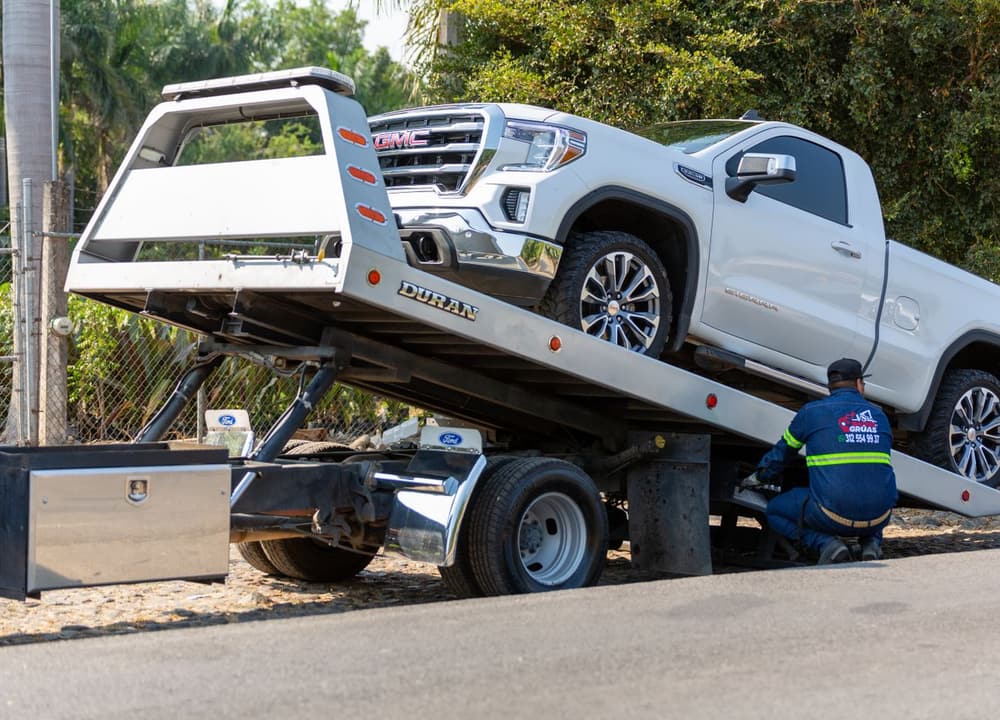

Towing answering service — location before anything else

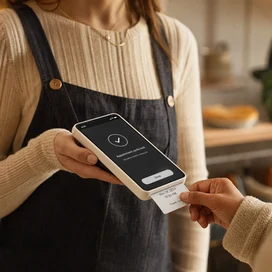
One towing call, and what it left behind
- One attempt
- is what a stranded caller gives you before trying the next number
- Location first
- asked before anything else, so a dropped call still has one
- One flat price
- however hard the phone rings — a bad-weather week costs no more
Answered on the second ring. Every field below was captured during the call — nobody typed it in afterwards.
“My car won't turn over and I'm blocking the exit.”
Classified0:11
- recovery
- won't start
- off-highway
Captured0:35
- auto, in park, level 2 clearance 2.1m
Dispatched0:52
- flatbed
- ETA 30 min
Dispatched — flatbed, ETA 30 min
Read the whole towing call, line by line
- 0:01Chloe Devereux: My car won't turn over and I'm blocking the exit.
- 0:03Vandial: Let's get you moved. Where exactly are you — road name or what you can see?
- 0:09Chloe Devereux: Westgate Retail Park, level 2 of the parking lot.
- 0:11Classified — recovery · won't start · off-highway
- 0:16Vandial: Are you out of the traffic and somewhere safe to wait?
- 0:21Chloe Devereux: Yes, I'm in the car with the hazards on.
- 0:27Vandial: What are you driving, and is it automatic? That decides which truck comes.
- 0:35Captured — auto, in park, level 2 clearance 2.1m — flatbed required
- 0:44Vandial: We're sending a flatbed, about thirty minutes. You'll get a text with the driver's name.
- 0:52Dispatched — flatbed · ETA 30 min
Answered, understood, booked
One number, picked up on the second ring — at 2am, on a Sunday, while you're already working. By the time the caller hangs up, it is in your calendar.
Get in touchSee the call recordIt answers
First ring, any hour, in parallel — because a stranded caller who gets a busy tone is already dialing the next number.
- 0:00Incoming call
- 0:02Answered by Vandial2 rings
- 0:05“Hello, Marlow Plumbing.”
It understands
Location first, safety second, vehicle third. In that order, because that is the order that matters if the line drops.
- Job
- Water heater — leaking
- Where
- 14 Marlow Street
- Access
- Side gate, dog in yard
- Urgency
- Today if possible
- Still on
It books
Dispatched with the right truck for the vehicle, an ETA texted to the caller, and the clearance and destination already recorded.
Text to Dave · 13:01
You’re booked for today, 1–2pm. Reply R to move it.
It asks what you would ask
These are the questions the agent runs for towing companies, and the operational reason each one exists. Change them, add your own, or take them out — they are configuration, not code.
Where exactly are you?
The first question and the only one that matters if the call drops. Road name, junction, what they can see.
Are you out of live traffic and somewhere safe?
A caller standing on a shoulder changes this from a dispatch into an emergency-services call.
What's the vehicle, and is it an automatic?
Automatic, all-wheel-drive or seized wheels means a flatbed rather than a spec lift. Sending the wrong truck is a second callout.
Is it in a parking lot — and what's the height clearance?
The constraint nobody thinks to mention until the truck cannot get in.
Where is it going?
Destination decides the price and the route, and whether the job is worth taking at all at that hour.
Is anyone injured, or is there an accident involved?
An RTC is a police and ambulance matter first, and a recovery second.
More than a towing answering service
An answering service takes a message and charges you for it. Vandial knows your prices, your patch and your diary — so it books the job, or puts a real emergency straight through to you.
Get in touchSee what it costsIt picks up out of hours, and while your line is busy
Recovery is the purest form of the missed-call problem: the caller has no reason to wait and every reason to try the next number. Answering in one ring at four in the morning is the entire business, and it is what a voicemail box cannot do.
It knows your prices, your patch and your hours
Tell it your hook fee, your per-mile rate, your coverage area, which trucks you run and what you will not take. It refuses the jobs outside your radius politely instead of dispatching to a job you cannot bill for.
What it knows
Hook fee
$95
Per mile
$4
Coverage
40 miles
Fleet
2 flatbed, 1 spec lift
What matters reaches you. The rest waits
Highway calls, collisions and injuries reach a human in seconds. A flat battery in a supermarket parking lot does not need to wake anybody.
Your rule: if they say gas, flood or no heat — ring Sam, then me.
Every call written up, tagged and searchable
Every call recorded with the location, the vehicle and the destination attached. When there is a dispute about what was agreed at 3am, the tape settles it.
Dave Whitfield · Sunday, 4m 12s
Water heater, leaking
Leaking from the base. Booked for Tuesday 1–2pm. Side gate open, dog in the yard. Asked whether the service call fee applies — told $99, waived on repair.
The first frost, and every wet Friday
Recovery volume is weather. A frost morning produces flat batteries in the hundreds between six and eight, and heavy rain produces collisions all afternoon. Both are periods where every operator's phone is engaged simultaneously — which means the operator whose phone is answered takes the whole market for those two hours.
When it happens · Frost mornings, wet Fridays, bank holidays
Get in touchSee what it costsA normal month, then a surge month
- Billed per minute
- Your baselineTriples with the calls
- The bill peaks in the same week your phone does.
- Billed per call, like a human service
- Per call, every callEvery extra call, billed
- Including the robocalls and the wrong numbers.
- Vandial
- From $99 a monthThe same
- Call flows are unlimited on every paid rung, and there is no per-minute billing. The rungs differ only in how many unique customers you answer for — and a surge is mostly more calls from the same people.
Robocalls and sales calls are identified and zero-rated on every plan. They never count toward your included customers and never create a customer record.
What it will never do
You are handing your phone to something that talks to your customers when you are not there. These are the lines it does not cross in towing, and the words it uses instead.
A live lane is a 911 call, not a booking
A caller stopped on a highway, in a live lane or on a shoulder is told to get out of the vehicle, behind the barrier, and to ring emergency services. The agent does not spend forty seconds gathering vehicle details while somebody stands next to moving traffic.
What it actually says
“Get out of the car on the passenger side and get behind the barrier, then ring 911. I'm dispatching at the same time — but do that first.”
Injuries stop everything
If anyone is hurt, or the caller mentions a collision with another vehicle, the agent redirects to emergency services and escalates to a human immediately. Recovery is a later problem.
What it actually says
“Is anyone hurt? Then please ring 911 now — they need to be there before we are. I'm getting a person on the phone with you.”
It won't quote a tow it hasn't seen
It gives your hook fee and your per-mile rate, because those are fixed. It does not price a winch-out, an underground recovery or an accident tow from a description — those depend on access, and a number invented on the phone is one your driver has to renegotiate at the roadside.
What it actually says
“The hook's $95 plus $4 a mile. If it needs winching out I can't put a number on that until the driver sees it.”
The job lands where you already work
Google, Outlook, Apple, Exchange, CalDAV — whichever calendar you already keep. Then your payments, your CRM, and whatever you automate with.
Get in touchSee what it costs…and a lot more besides
- Warm transfersWarm transfersAnnounced — who is calling and why, before you take the line.
- Spam never billedSpam never billedRobocalls are spotted, zero-rated, and never become a customer.
- A number per sourceA number per sourceVan, yard sign, Google listing — see which line brings the work.
- Team & on-callTeam & on-callTries you, then a second number, then whoever is on call.
- Run it by textRun it by textReply to a text to move a job, block a morning, clear a day.
- Clear a day, everyone toldClear a day, everyone toldCall off a wet Tuesday; every customer is told and re-offered.
- Never invents an answerNever invents an answerNo price or slot it was not given. It takes a message instead.
- Any trade, no codeAny trade, no codeGoal, questions and guardrails are settings, not a rebuild.
What towing companies say before they say yes
Three objections, in the words they are usually put in. Where the objection is right, it says so.
“Nobody waits for a tow truck's voicemail.”
No, they dial the next number, which is the entire economics of this business. Answered on the first ring at any hour and in parallel — so the frost morning when every operator in the region is engaged is the morning you take the market.
“The wrong truck turning up costs us the job twice.”
So it captures the four things that decide it: automatic or manual, all-wheel-drive or not, whether the wheels turn, and whether it is in a parking lot with a height limit. Nobody volunteers the last one until the truck cannot get in.
“Some of these calls need a human in five seconds.”
A caller in a live lane is told to get out on the passenger side, get behind the barrier and ring emergency services — before any vehicle details are taken — and the call reaches a person immediately. It does not collect a registration number while somebody stands next to moving traffic.
Already decided you want AI to answer it?
Then the question is which one, and that is a different page: what a generic AI receptionist gets wrong on a towing call, and what is configurable about this one.
AI receptionist, towingNot your trade?
The agent's questions, urgency rules, escalations and vocabulary are all configuration. Nothing about a trade is hard-coded, which is why there are 31 of these and not one.
HVACPlumbingElectricalRoofingGarage doorPest controlLandscapingCleaningFuel deliveryAuto repairDealership serviceAppliance repairLocksmithMovingRemodelingDentalMedical practiceChiropracticVeterinarySalon & spaLaw firmReal estateProperty managementFuneral homesInsurance agenciesRestaurantsAccountingTherapy practicesHome health careHotelsTools for the next step in your business
Qualify the inquiry
Capture the service, service details and timing. Use your booking rules to decide the next step and when a person should help.
Keep the booking moving
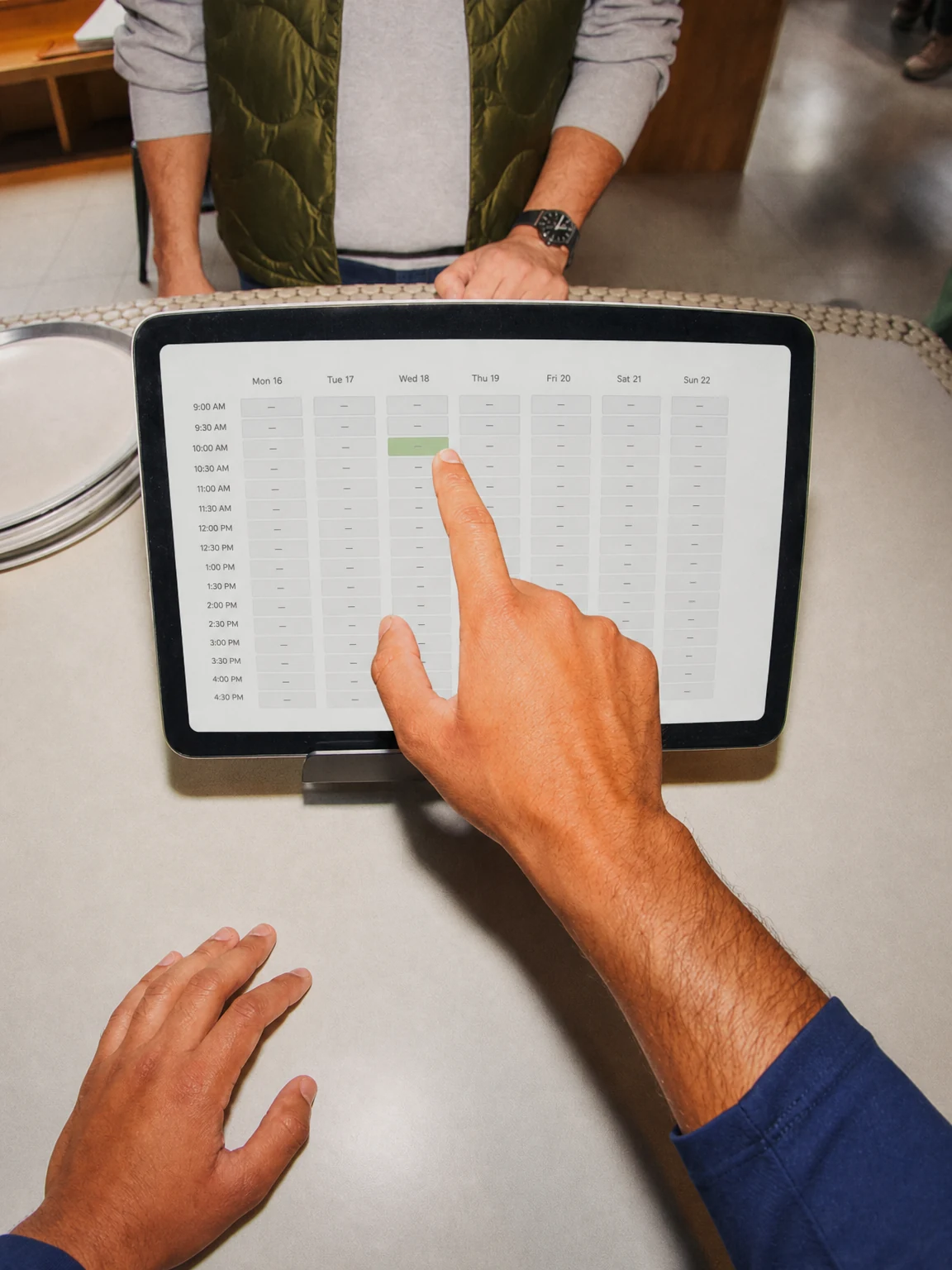
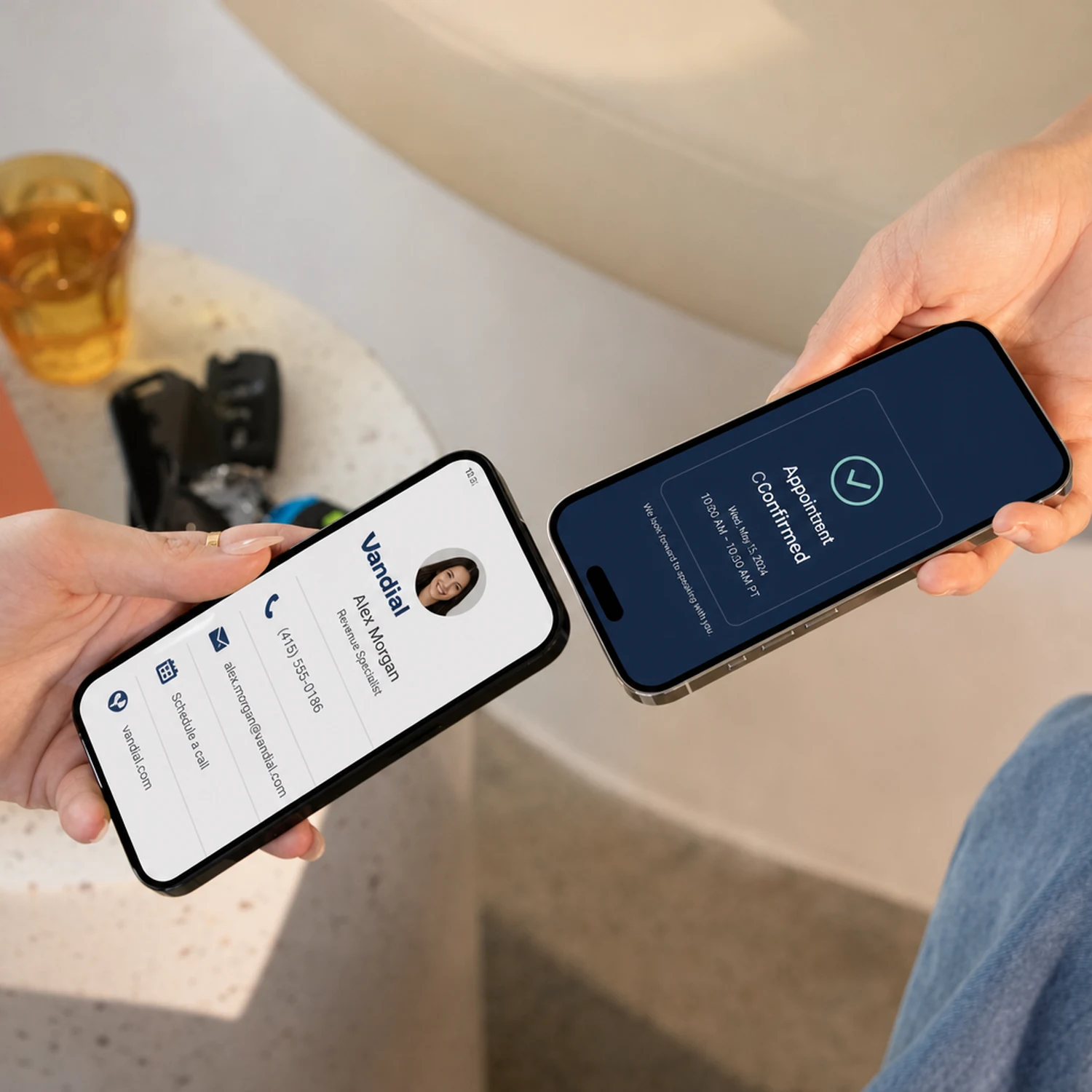
Offer times from your connected calendar, handle rescheduling and send confirmation so interested clients leave with a clear next step.
Welcome the next visit
Follow up with past inquiries and returning clients. Keep the context from the previous conversation and make the next visit easier to arrange.
Explore the questions behind better bookings

Discover what Vandial can do for you
See how an AI agent can help your business qualify inquiries and book the next step.
FAQ
What does it do if someone is on a highway?
It stops gathering details. The caller is told to get out of the vehicle on the passenger side, get behind the barrier and ring emergency services, and the call is escalated to a human immediately. Standing next to live traffic while an agent asks for a registration number is not acceptable, so it does not happen.
Does it get the location reliably?
It asks for it first, before anything else, and it asks in the way a person does — road name, junction number, what you can see from where you are standing. If the call drops after ten seconds you still have a location, which is the whole reason it is asked first.
Can it work out which truck to send?
It captures what decides that: whether the vehicle is an automatic, whether it is all-wheel-drive, whether the wheels turn, and whether it is in a parking lot with a height limit. Those four answers are the difference between the right truck and a second service call.
Will it give a price?
Your hook fee and your per-mile rate, which are fixed. It will not price a winch-out or an accident recovery from a description, because those depend on access your driver has not seen yet.
Can it handle motor club and insurance dispatch?
It asks whether the caller has cover through a motor club, an insurer or a manufacturer's roadside package, and routes those to whoever handles that paperwork rather than booking them as cash jobs.
What happens on a frost morning when everything rings at once?
Calls are answered in parallel, so there is no queue and no busy signal. On the mornings when every operator in the region is busy, being the one whose phone gets answered is the entire advantage.
What does it cost?
Vandial’s paid plans start with Standard at $150 a month for 1,000 AI conversations, Pro at $350 for 2,000, and custom Enterprise plans. Contact us to discuss your workflow and setup; free trials and self-service testing are not available. Standard includes one AI channel, Pro three and Enterprise five. Additional AI conversations cost $0.40 each on paid plans. Voice minutes, phone numbers, paid messaging and implementation are quoted separately. See the pricing page for the conversation definition and plan details.
“Nobody waits for a tow truck's voicemail.”
No, they dial the next number, which is the entire economics of this business. Answered on the first ring at any hour and in parallel — so the frost morning when every operator in the region is engaged is the morning you take the market.
“The wrong truck turning up costs us the job twice.”
So it captures the four things that decide it: automatic or manual, all-wheel-drive or not, whether the wheels turn, and whether it is in a parking lot with a height limit. Nobody volunteers the last one until the truck cannot get in.
“Some of these calls need a human in five seconds.”
A caller in a live lane is told to get out on the passenger side, get behind the barrier and ring emergency services — before any vehicle details are taken — and the call reaches a person immediately. It does not collect a registration number while somebody stands next to moving traffic.